

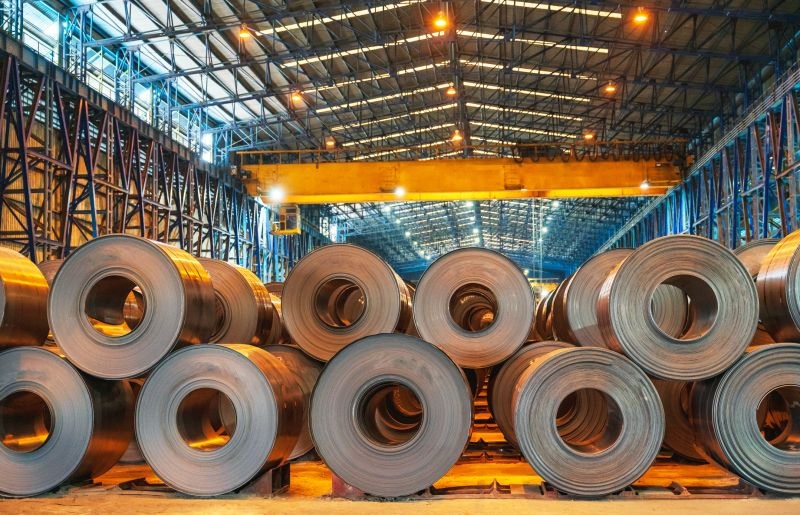
Introduction to Metal Commodities
Metal commodities are essential raw materials that support industrial production, infrastructure development, transportation systems, and technological advancement. These metals are traded globally and serve as the backbone of modern economic activity.
Industries rely heavily on metals such as steel, copper, aluminum, gold, and zinc to manufacture goods, build infrastructure, and support energy systems. Because of their central role in production, metal commodities directly influence economic growth and industrial expansion across nations.
What Are Metal Commodities
Metal commodities refer to naturally occurring metallic elements extracted from the earth and processed for industrial and commercial use. They are standardized and traded in bulk through commodity markets worldwide.
Metal commodities are broadly classified into two main categories:
Base Metals
Base metals are widely used in manufacturing and construction due to their strength and availability.
Examples include
- Copper
- Aluminum
- Zinc
- Nickel
- Lead
These metals are critical for infrastructure, electrical wiring, automobiles, machinery, and construction projects.
Precious Metals
Precious metals have high economic value and are often used for investment, electronics, and jewelry production.
Examples include
- Gold
- Silver
- Platinum
They also serve as financial assets during periods of economic uncertainty.
Importance of Metal Commodities in Industrial Development
Metal commodities play a central role in strengthening industrial capabilities and supporting economic transformation.
Infrastructure Expansion
Metals such as steel and aluminum are widely used in
- Bridges
- Roads
- Railways
- Airports
- Residential and commercial buildings
Strong infrastructure supports industrial productivity and long term economic stability.
Growth of Manufacturing Sector
Manufacturing industries depend heavily on metal inputs to produce machinery, vehicles, appliances, and electronic equipment. Increased availability of metal commodities helps industries expand production capacity and improve efficiency.
Development of Energy Sector
Copper and aluminum are essential for electricity transmission systems, renewable energy installations, and power distribution networks. These metals enable countries to strengthen their energy infrastructure.
Technological Advancement
Modern technologies such as electric vehicles, telecommunications equipment, and smart devices rely on metal components. Access to metal commodities supports innovation and technological competitiveness.
Role of Metal Commodities in Economic Growth
Metal commodities influence economic performance in multiple ways.
Employment Generation
Mining, processing, transportation, and manufacturing activities create employment opportunities across various sectors of the economy.
Export Earnings
Countries rich in metal resources earn significant foreign exchange through exports. These earnings support national income growth and strengthen trade balances.
Industrial Diversification
Availability of metal resources encourages the development of new industries such as automobile manufacturing, construction equipment production, and electronics manufacturing.
Investment Attraction
Stable supply of metal commodities attracts domestic and foreign investment into infrastructure and manufacturing sectors.
Factors Affecting Metal Commodity Prices
Metal prices change frequently due to several economic and global factors.
Major influencing factors include
- Global demand and supply conditions
- Industrial production levels
- Exchange rate fluctuations
- Energy costs
- Government policies and regulations
- International trade conditions
Understanding these factors helps industries plan production strategies effectively.
Contribution of Metal Commodities to Sustainable Development
Metal commodities also support sustainable industrial growth when used responsibly.
Recycling metals reduces environmental impact and conserves natural resources. For example, recycled aluminum requires significantly less energy than primary production.
Metals are also essential for renewable energy technologies such as solar panels and wind turbines, making them vital for environmentally responsible economic development.
Challenges in Metal Commodity Utilization
Despite their importance, several challenges affect the metal commodity sector.
Common challenges include
- Environmental concerns related to mining activities
- Price volatility in international markets
- Resource depletion risks
- High transportation and extraction costs
Addressing these issues helps ensure stable and sustainable industrial growth.
Future Outlook of Metal Commodities in Industrial Growth
The demand for metal commodities is expected to increase due to rapid urbanization, infrastructure expansion, and technological innovation. Growth in renewable energy systems and electric vehicle manufacturing will further strengthen the importance of metals in industrial economies.
Countries investing in efficient mining practices, recycling technologies, and sustainable extraction methods are likely to benefit the most from future opportunities.
Frequently Asked Questions
What are the most commonly used metal commodities in industries
Steel, copper, aluminum, zinc, and nickel are among the most widely used metals in construction, manufacturing, and transportation sectors.
Why are metal commodities important for infrastructure development
They provide strength, durability, and flexibility required for constructing roads, bridges, railways, and buildings.
How do metal commodities support technological progress
They are essential components in electronics, telecommunications equipment, renewable energy systems, and electric vehicles.
Which industries depend heavily on metal commodities
Construction, automobile manufacturing, electrical equipment production, aerospace engineering, and energy industries rely heavily on metal commodities.
How do global markets influence metal commodity prices
International demand, geopolitical developments, currency movements, and trade policies significantly affect price fluctuations.
Can metal commodities contribute to sustainable development
Yes. Recycling metals reduces energy consumption and supports environmentally responsible industrial production.
What is the future demand outlook for metal commodities
Demand is expected to rise due to infrastructure expansion, renewable energy development, and increasing adoption of advanced manufacturing technologies.

Comments are closed.